
Preventing Mold Growth: Tips for a Healthy Home

To prevent mold growth in your home, focus on controlling moisture levels and improving air circulation. Maintain indoor humidity between 30% and 50% using a hygrometer and dehumidifiers. Inspect for leaks in plumbing and roofing regularly. Install high-efficiency ventilation systems and use exhaust fans in moisture-prone areas. Opt for mold-resistant materials like specialized drywall and paint in high-humidity zones. Inspect your home bi-annually, using moisture meters for hidden dampness. Regularly clean HVAC units and ensure gutters and downspouts direct water away from your foundation. These strategies will significantly mitigate mold, and there’s more to consider for a comprehensive approach.
Continue Reading
The Cost of Ignoring Mold: Financial and Health Implications

Ignoring mold in your home affects both your wallet and well-being. Mold can compromise structural integrity and lower your home’s market value, leading to increased repair costs, sometimes reaching $15,000. Insurance coverage might not include mold damage, necessitating additional policies. Health-wise, mold exposure can worsen respiratory issues and trigger allergic reactions, especially in asthmatics. The mycotoxins produced can further heighten health risks. Prevention, such as controlling moisture and performing regular inspections, protects your investment and ensures a healthier living environment. Understanding these implications arms you with the necessary measures to avoid costly consequences.
Continue Reading
Mold Inspection: Your First Line of Defense Against Health Risks

You’re ensuring your health and home’s safety by opting for a comprehensive mold inspection. Mold can lead to significant health risks, particularly affecting the respiratory system through mycotoxins and causing allergic reactions. Inspections help you identify hidden threats like musty odors, water damage, and surface discolorations, preventing severe issues before they escalate. Professionals use advanced tools to assess moisture-prone areas and capture samples for lab analysis, ensuring thorough identification and mitigation. By choosing a certified inspection service with proven success, you can safeguard your property and peace of mind. Uncovering more details will strengthen your proactive approach.
Continue Reading
Mold Inspection for Commercial Properties: Ensuring a Healthy Workplace

You’re responsible for a safe workplace, and conducting mold inspections in commercial properties is essential. Mold spores can spread via HVAC systems, compromising air quality and employee health. Effective inspections start by identifying moisture sources, often with moisture meters and infrared cameras, to detect mold. Training employees on spotting symptoms can expedite response times. Professional inspections address potential hazards, preventing costly renovations and mitigating legal liabilities. Regular inspections ensure mold-free environments, preserving structural integrity and reducing health risks. Implementing routine monitoring with the right tools and expertise helps maintain an optimal workplace. Discover more strategies in this process.
Mold and Allergies: a Common Connection

You’re likely aware that mold can be a hidden culprit behind your allergies. Mold releases spores that your immune system identifies as harmful, producing IgE antibodies and causing symptoms like nasal congestion, sneezing, and itchy eyes. The severity of reactions varies because individual sensitivity to mold differs. Understanding common molds like Cladosporium and Aspergillus can help with identification and mitigation. Mold spores can irritate your respiratory system, leading to long-term health issues. Prevention is key—maintain low humidity and repair leaks. Explore how thorough inspections and moisture control strategies can effectively manage mold and mitigate its impact on your health.
Continue Reading
Mold and Respiratory Health: the Risks and Prevention

Mold, including Aspergillus and Stachybotrys, can thrive in damp areas of your home, posing significant respiratory risks. Mold spores, airborne in nature, can trigger allergies and respiratory distress, particularly in individuals with asthma or weakened immune systems. It’s vital to control indoor humidity levels, ideally between 30-50%, and ensure proper ventilation to mitigate mold growth. Recognizing symptoms such as persistent sneezing or wheezing early can help in taking preventive actions. For extensive mold infestations, professional intervention becomes crucial. Prioritizing mold prevention strategies can protect your respiratory health, and there’s more to explore about maintaining a mold-free environment.
Continue Reading
The Health Risks of Black Mold in Long Beach Residences
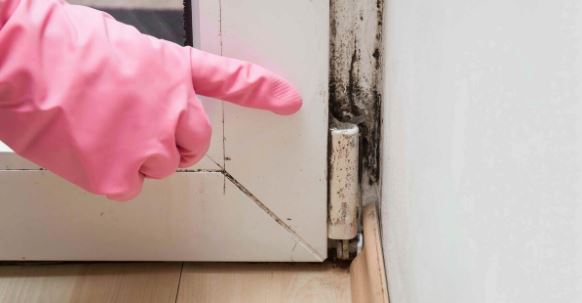
Exposure to black mold in Long Beach residences poses serious health risks. Prolonged exposure can lead to respiratory problems like coughing, wheezing, and shortness of breath, as well as skin irritation such as redness, itchiness, and rashes. Vulnerable populations like children and the elderly are particularly at risk for adverse effects. Long-term consequences may include chronic respiratory issues and cognitive impairments. Implementing mitigation strategies, such as prompt mold remediation, proper ventilation, and maintenance of indoor air quality, is essential in combatting black mold. Understanding these risks is crucial for safeguarding health in Long Beach residences. Continue Reading
12 Mold Toxicity Symptoms to Watch For—And How to Heal If Exposed
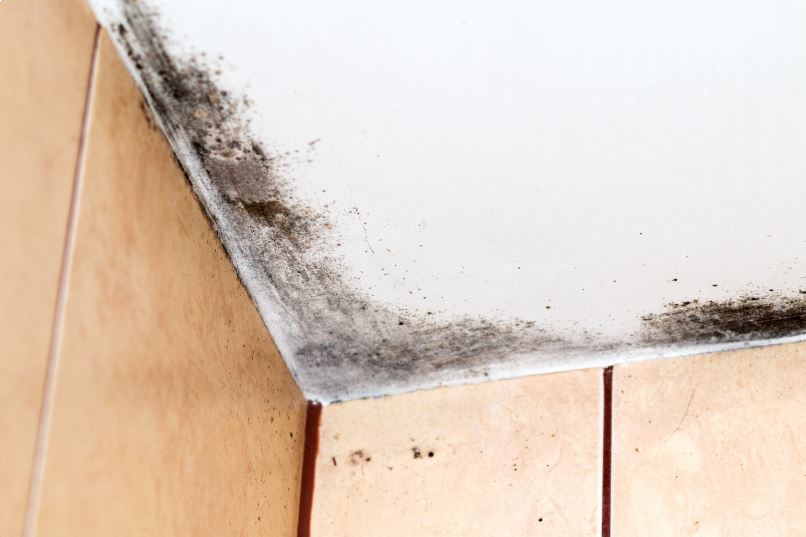
Are you aware of the hidden dangers lurking in your home? Mold, like a silent intruder, can take hold of your living space and wreak havoc on your health. It may not be visible to the naked eye, but its effects are unmistakable.
This guide will walk you through 12 mold toxicity symptoms to watch out for, from chronic coughing and wheezing to immune system dysfunction. But don’t panic! We’re here to help you heal if you’ve been exposed.
With the right knowledge and strategies, you can reclaim a healthy and mold-free environment. So, let’s dive in and empower you to take control of your well-being.
Health Risks of Mold Exposure: What You Need to Know

Did you know that mold exposure can pose serious health risks? It’s true! In this article, we will explore the various dangers associated with mold exposure and the symptoms to watch out for. We will also delve into the long-term health effects that can result from prolonged exposure to mold. Additionally, we will discuss the vulnerable populations who are at greater risk for mold-related health issues. Stay tuned to learn about the steps you can take to prevent and remediate mold growth in your environment.
Mold Remediation: Best Practices for a Healthier Home
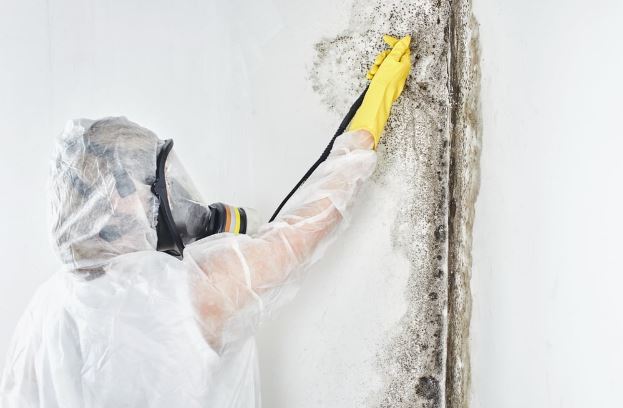
Having a healthy home is essential for our well-being, and one common threat that can compromise it is mold. In this article, we will explore the best practices for mold remediation, ensuring a healthier living environment for you and your loved ones. Understanding the dangers of mold, identifying and assessing its growth, and implementing effective removal techniques are just some of the topics we will cover. Don’t let mold take over your home; let’s take action together!